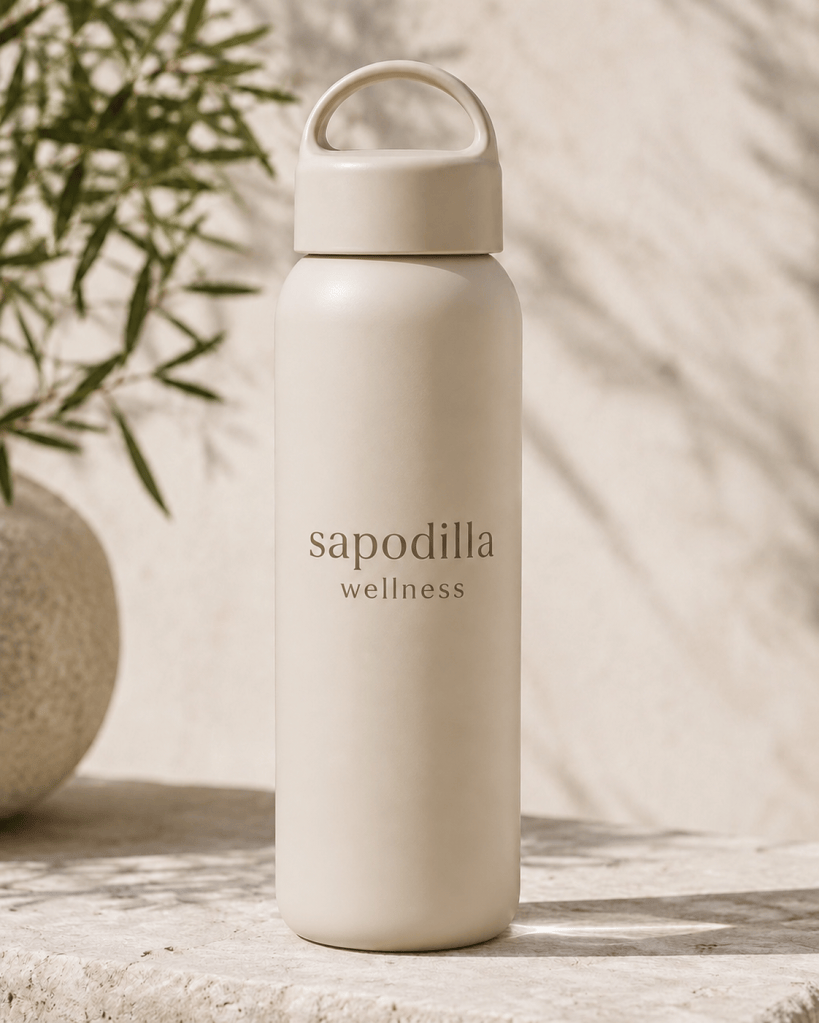
As we age, staying hydrated becomes more important—and more challenging. Many adults over 50 are surprised to learn that dehydration can occur even when they do not feel thirsty. Unfortunately, dehydration is a common but often overlooked wellness issue that can affect energy levels, cognitive function, digestion, and overall quality of life.
Understanding why dehydration occurs more frequently after age 50 can help you take simple steps to protect your health and maintain vitality.
Why Adults Over 50 Are More Vulnerable to Dehydration
Several age-related changes increase the risk of dehydration:
- The body’s water reserves naturally decrease with age.
- The sensation of thirst becomes less reliable.
- Kidney function changes, making it harder to conserve water.
- Certain medications, including diuretics and some blood pressure medications, can increase fluid loss.
- Chronic health conditions may affect hydration status.
According to the Mayo Clinic, older adults have smaller fluid reserves and a diminished thirst response, making dehydration more likely even during minor illnesses or periods of warm weather.
Common Signs of Dehydration
Many people associate dehydration with thirst, but thirst is often a late warning sign in older adults.
Watch for these symptoms:
- Dry mouth
- Fatigue or low energy
- Dark-colored urine
- Dizziness or lightheadedness
- Headaches
- Constipation
- Muscle cramps
- Confusion or difficulty concentrating
- Reduced urination
Research suggests that dehydration in older adults may also contribute to an increased risk of falls, urinary tract infections, and kidney problems.
The Hidden Impact on Wellness
At Sapodilla Wellness, we believe wellness is about supporting the whole person. Hydration affects nearly every system in the body.
Brain Health
Even mild dehydration can affect concentration, memory, and mood. Some older adults may experience confusion or increased fatigue when dehydrated.
Digestive Health
Water helps move food through the digestive tract. Inadequate fluid intake can contribute to constipation, a common concern among adults over 50.
Physical Performance
Dehydration can reduce energy, increase muscle cramps, and make physical activity feel more difficult. Maintaining hydration supports mobility, exercise performance, and recovery.
Kidney and Urinary Health
Chronic dehydration may increase the risk of urinary tract infections and kidney stones. Proper hydration helps the kidneys function efficiently and supports overall urinary health.
Practical Hydration Tips for Adults Over 50
1. Don’t Wait Until You’re Thirsty
Because thirst becomes less reliable with age, establish a routine for drinking fluids throughout the day rather than waiting until you feel thirsty.
2. Start Your Day with Water
Drinking a glass of water first thing in the morning can help replenish fluids lost overnight.
3. Eat Water-Rich Foods
Many fruits and vegetables contribute to hydration, including:
- Watermelon
- Cucumbers
- Strawberries
- Oranges
- Celery
- Lettuce
The Mayo Clinic recommends incorporating water-rich foods as part of a hydration strategy.
4. Carry a Water Bottle
Keeping water visible and accessible serves as a reminder to drink regularly throughout the day. To make it more inter
5. Increase Fluids During Hot Weather
Adults over 50 should pay extra attention to hydration during the summer months, especially in warm climates like Texas. Heat increases fluid loss through perspiration.
6. Monitor Your Urine Color
Pale yellow urine generally indicates adequate hydration, while darker urine may signal the need for more fluids.
When to Seek Medical Attention
Contact a healthcare provider if dehydration symptoms become severe or include:
- Confusion
- Inability to keep fluids down
- Fainting
- Severe dizziness
- Rapid heartbeat
- Very little urination
Severe dehydration can become a medical emergency requiring prompt treatment.
Final Thoughts
Hydration is a simple but powerful wellness habit for adults over 50. Small daily choices—drinking water regularly, eating water-rich foods, and noticing early signs of dehydration—help support healthy aging, sharper cognition, higher energy, and overall well-being. At Sapodilla Wellness, we promote a proactive approach: sometimes feeling better begins with reaching for a glass of water or a convenient hydration boost like Liquid IV
References

